Biometrics is a rapidly evolving field that integrates biological data with technology to identify and authenticate individuals based on unique physical or behavioral characteristics. As security concerns increase in both personal and corporate spheres, biometrics offers a reliable and efficient solution for identity verification. This article delves into the intricacies of biometric technology, explores its various types, and highlights the benefits of biometrics technology in today’s world.
What is Biometrics?
Biometrics refers to the measurement and statistical analysis of people’s physical and behavioral characteristics. The technology is primarily used for identification and access control or for identifying individuals who are under surveillance. The core of biometric authentication is the use of unique biological traits such as fingerprints, facial features, iris patterns, voice recognition, and even DNA.
Types of Biometric Systems
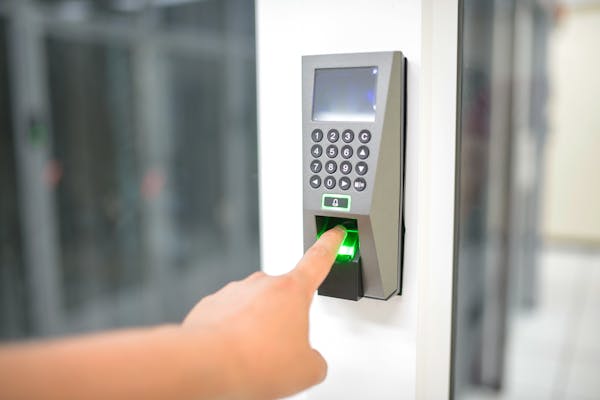
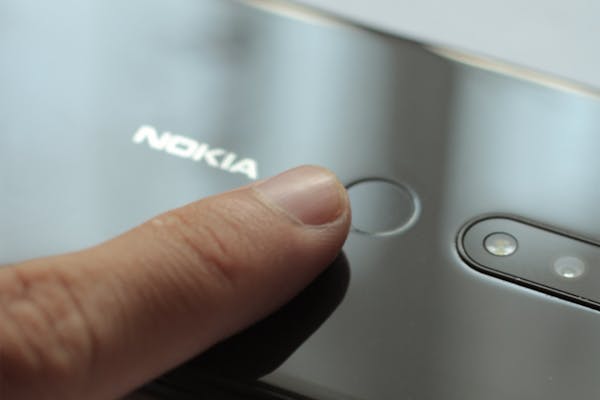
- Fingerprint Recognition: One of the oldest and most widely used forms of biometric authentication. Each individual has a unique fingerprint pattern that can be easily scanned and compared to a stored template.
- Facial Recognition: Utilizes facial features and patterns to identify individuals. This technology is commonly used in security systems and smartphones.
- Iris Recognition: Scans the unique patterns in the colored part of the eye. Known for its high accuracy, it is used in secure access systems and border control.
- Voice Recognition: Analyzes vocal characteristics to verify an individual’s identity. This technology is often used in customer service and phone banking.
- DNA Matching: The most accurate form of biometric identification. While it is highly reliable, it is also the most invasive and time-consuming.
- Hand Geometry: Measures the shape and size of an individual’s hand. Although not as unique as fingerprints or irises, it is still used in some access control systems.
- Gait Analysis: Observes and analyzes the way a person walks. This technology is still emerging but shows promise for surveillance and security applications.
How Biometrics Work
Biometric systems operate through a series of steps to verify an individual’s identity:
- Enrollment: The individual’s biometric data is captured and stored in a database. This process involves scanning the chosen trait (e.g., fingerprint, face) and converting it into a digital format.
- Storage: The captured data is stored securely. It can be stored in a centralized database or on a local device such as a smart card.
- Acquisition: When identification or verification is required, the system captures the individual’s biometric data again.
- Comparison: The newly captured data is compared to the stored data using algorithms that analyze the patterns and features.
- Decision: Based on the comparison, the system either confirms or denies the individual’s identity.
Benefits of Biometrics Technology
The benefits of biometrics technology are manifold, making it an appealing choice for various applications. Here are some of the key advantages:
Enhanced Security
Biometric systems provide a higher level of security compared to traditional methods such as passwords or PINs. Biological traits are unique to each individual, making it extremely difficult for unauthorized users to gain access. This reduces the risk of identity theft and fraud.
Convenience and Speed
Biometric authentication is quick and user-friendly. Users do not need to remember passwords or carry access cards. For instance, unlocking a smartphone with a fingerprint or facial recognition takes just a fraction of a second.
Accuracy and Reliability
Biometric systems offer high accuracy in identifying individuals. Technologies like iris and DNA recognition have negligible error rates. Even fingerprint and facial recognition systems have advanced to provide reliable results in various conditions.
Non-Transferable
Unlike passwords or access cards, biometric traits cannot be shared or transferred. This ensures that the authorized individual is always present during the authentication process, enhancing security.
Cost-Effective in the Long Run
While the initial setup of biometric systems can be expensive, they prove cost-effective over time. The reduction in fraud, improved security, and decreased need for password management can lead to significant savings.
Scalability
Biometric systems can be easily scaled to accommodate a growing number of users. This is particularly beneficial for large organizations or systems that require frequent and reliable identification of individuals.
Versatility
Biometric technology is versatile and can be integrated into various systems and devices. From smartphones and laptops to secure access control and border security, the applications are diverse and ever-expanding.
Applications of Biometrics
The applications of biometrics are vast, extending across multiple industries and sectors:
Law Enforcement
Biometrics plays a crucial role in law enforcement and criminal justice. Fingerprint and DNA matching are standard practices for identifying suspects and solving crimes. Facial recognition is increasingly used for surveillance and monitoring public spaces.
Healthcare
In healthcare, biometrics ensures the correct identification of patients, reducing medical errors and improving patient safety. It also helps in managing and securing patient records.
Financial Services
Banks and financial institutions use biometric authentication to secure transactions and access to accounts. Voice recognition and fingerprint authentication are common in mobile banking apps.
Border Control and Immigration
Biometric systems are employed at borders and airports to enhance security and streamline the immigration process. Passengers can use e-passports and biometric kiosks for faster clearance.
Corporate Security
Businesses use biometric access control to secure sensitive areas and ensure that only authorized personnel can enter. This is particularly important in industries dealing with confidential information or valuable assets.
Personal Devices
Smartphones, laptops, and other personal devices now come equipped with biometric authentication features such as fingerprint scanners and facial recognition. This enhances security and user convenience.
Challenges and Concerns
Despite the numerous benefits of biometrics technology, there are challenges and concerns that need to be addressed:
Privacy Issues
The collection and storage of biometric data raise significant privacy concerns. Individuals may be apprehensive about sharing their biological traits and how this data is used and protected.
Data Security
Biometric data, if compromised, can lead to severe security breaches. Unlike passwords, biometric traits cannot be changed, making the protection of this data paramount.
False Positives and Negatives
Although biometric systems are highly accurate, they are not infallible. False positives (incorrectly identifying an unauthorized person) and false negatives (failing to recognize an authorized person) can occur, leading to security and usability issues.
Technological Limitations
Certain biometric technologies may face limitations in specific environments. For instance, fingerprint scanners may struggle with wet or dirty fingers, and facial recognition may be affected by lighting conditions.
Ethical Considerations
The use of biometrics in surveillance and monitoring raises ethical questions about the balance between security and individual freedoms. There is a need for clear regulations and guidelines to govern the use of biometric data.
Future of Biometrics
The future of biometrics looks promising, with continuous advancements in technology driving its adoption and effectiveness. Here are some trends and developments to watch:
Multimodal Biometrics
Combining multiple biometric modalities (e.g., fingerprint and facial recognition) can enhance accuracy and security. Multimodal systems are more robust and less likely to be deceived by spoofing attempts.
Integration with AI and Machine Learning
Artificial intelligence (AI) and machine learning (ML) are being integrated with biometric systems to improve their performance. AI algorithms can enhance the accuracy of biometric recognition and adapt to new challenges.
Contactless Biometrics
The COVID-19 pandemic has accelerated the demand for contactless biometric solutions. Technologies like facial recognition, iris scanning, and voice recognition are gaining traction as they offer hygienic and convenient authentication.
Wearable Biometrics
Wearable devices such as smartwatches and fitness trackers are incorporating biometric sensors for continuous monitoring of health and identity verification. This opens up new possibilities for personalized and secure user experiences.
Biometric Cryptography
Biometric cryptography, which uses biometric traits to generate cryptographic keys, is an emerging field. This approach can enhance the security of data encryption and authentication processes.
Conclusion
Biometrics technology represents a significant leap forward in the realm of security and identification. Its ability to provide unique, reliable, and convenient authentication makes it an invaluable tool across various industries. However, the benefits of biometrics technology must be balanced with careful consideration of privacy, security, and ethical concerns. As technology continues to evolve, biometrics will undoubtedly play a crucial role in shaping the future of secure and efficient identification systems.